
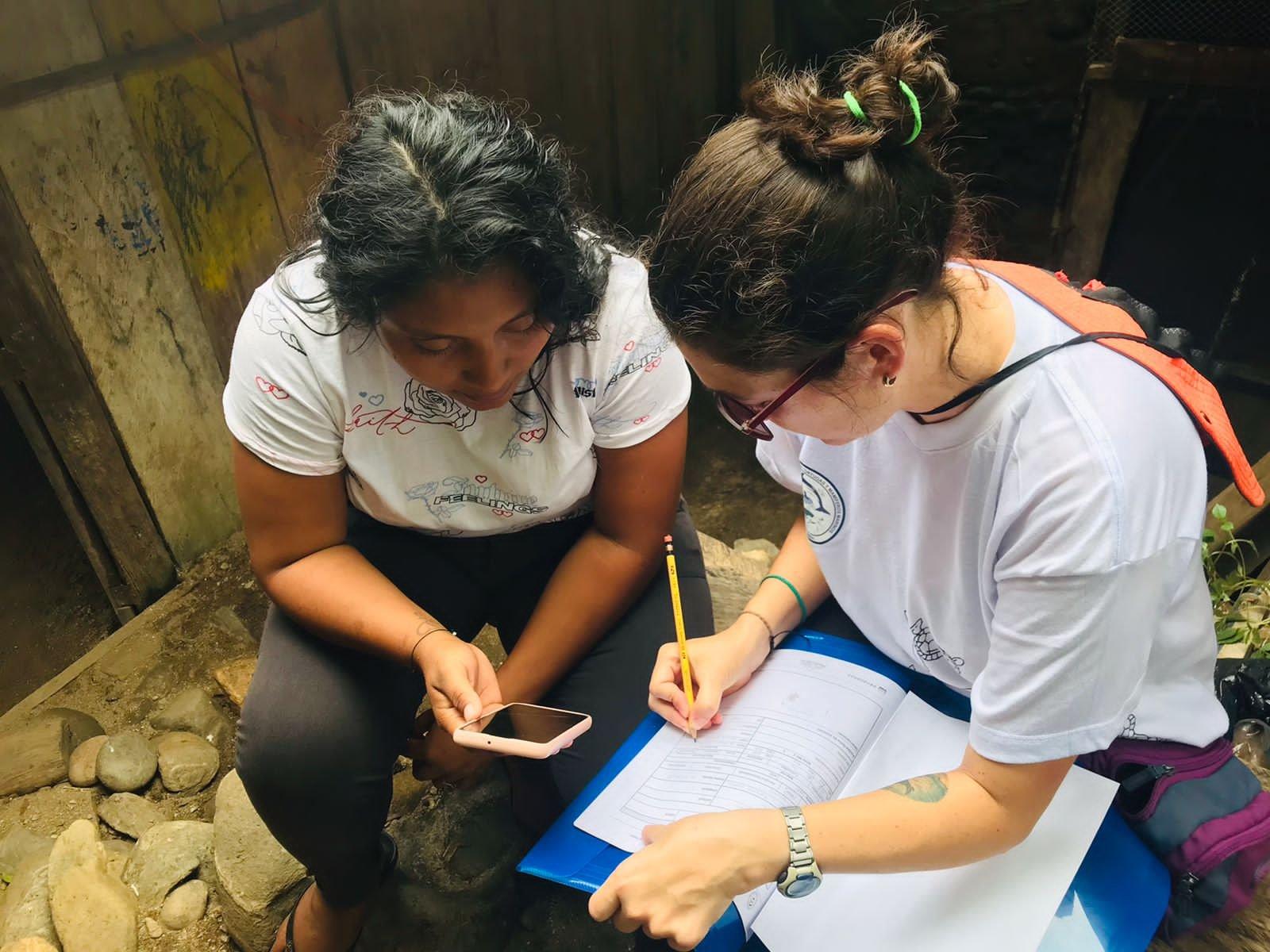
Environmental data management
Carried out by the Foundation's team
What is biodiversity data management and why does it matter?
It means making sure the data an institution collects is still useful years later: structured with standards such as Darwin Core, cleaned, documented, stored in a geographic database and, if wanted, published on OBIS and GBIF. Without that, every survey ends up in a spreadsheet nobody else can use.
Who's behind it
It is the work behind the foundation's own Observatory: ingesting and normalising almost 5,400 OBIS records on a PostGIS database, and the citizen science system that César Rodolfo Nates Ramírez designs and automates. Laura Carolina Rodríguez Rey contributes PostGIS, QGIS and ArcGIS. See the team.
What you get
- Assessment of the existing data
- Structured geographic database
- Data standardised in Darwin Core, with metadata
- Publication on OBIS and GBIF, when required
- Web viewer or map of the data
- Capture protocol for the following surveys
Timeline
3 to 8 weeks, depending on the volume and condition of the data.
How we do it
- Assessment and cleaning of the existing data
- Standardisation in Darwin Core, with metadata
- Geographic database in PostgreSQL and PostGIS
- Automated ingestion and quality checks
- Web viewers and maps with MapLibre, QGIS or ArcGIS Online
Regulatory framework
- Darwin Core standard (TDWG) for biological records
- OBIS and GBIF publishing requirements
- Colombia — SiB Colombia, the national GBIF node
Request a quote
Tell us about the project, the ecosystem and the timeline. We reply with a scope and an estimate — or we tell you frankly that this is not for us.